


![The Sub [bed] version...](https://yorkbookshop.com/919-small_default/the-sub-bed-version.jpg)


The Murder of Norma Dale specifications:

Security policy

Delivery policy

Return policy
“Clearly there has been a foul murder. The murderer, he or she, may well have been here today.”
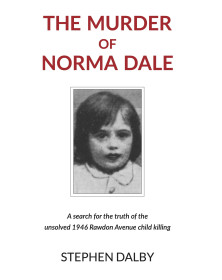
Those words were not uttered as a tease before the big reveal in a detective novel, they were spoken by the County Coroner of York Innes Ware in his summing-up at the inquest into the death of 4-year-old Norma May Dale. The jury found that on 21 September 1946 Norma had been strangled by person or persons unknown in the vicinity of her own home. But the Coroner’s cryptic comment appeared to say far more than that: it strongly suggested that Norma’s murderer had appeared in the witness box earlier that day.
Innes Ware wasn’t the only person who believed he knew the identity of Norma’s killer. The people of Rawdon Avenue, where Norma had lived and died, thought they knew who had taken the life of their pretty little neighbour.
And if the rumours were true, detectives had confided to Rawdon Avenue residents that they also were confident they knew who had murdered Norma.
Was the suspect the same person in each case? And if so, why was he or she never brought to justice?
The Murder of Norma Dale attempts to answer those questions and many others in the first published examination of a crime which shocked post-war Britain. But it seeks to be more than a standard cold case review. It is hoped that in reminding people of the tragic events of 1946 new information will come to light, perhaps a conscience pricked, so that the city of York and the Dale family can finally receive the closure they so need and deserve.
The Murder of Norma Dale specifications: